Preparing meals in advance is one of the easiest ways to eat healthier, reduce food waste, and save valuable time during busy weekdays. Whether you’re a working professional, a parent, or a fitness enthusiast, a well-planned 1 week meal prep Guide can make your life much easier.
In this guide, you’ll learn exactly how to plan your meals, prep ingredients efficiently, and store food safely to keep everything fresh throughout 1 week.
Why 1 Week Meal Prep Matters
Meal prepping isn’t just about cooking ahead—it’s about creating a stress-free routine.
Benefits of 1 Week Meal Prep Guide
- Saves 5–10 hours every week
- Reduces daily cooking stress
- Helps maintain healthy eating habits
- Minimizes food waste
- Saves money on groceries
- Makes portion control easier
- Prevents unnecessary food deliveries
Step 1: Plan Your 1 Week Menu
Before shopping, decide what you’ll eat throughout 1 week.
Choose meals that:
- Share similar ingredients
- Stay fresh for several days
- Are easy to reheat
- Offer balanced nutrition
Example:
| Meal | Idea |
|---|---|
| Breakfast | Overnight oats |
| Lunch | Grilled chicken with rice & vegetables |
| Snack | Fruits & yogurt |
| Dinner | Vegetable curry with chapati |
Planning ahead reduces impulse purchases and keeps grocery shopping efficient.
Step 2: Create a Smart Grocery List
Organize your shopping list into categories:
- Vegetables
- Fruits
- Dairy
- Proteins
- Grains
- Pantry essentials
- Snacks
Shopping with a list saves both money and time.
Step 3: Prep Ingredients Together
Instead of cooking every meal separately, prepare ingredients in batches.
You can:
- Wash vegetables
- Chop onions and peppers
- Cook rice or quinoa
- Grill chicken
- Boil eggs
- Prepare sauces
- Marinate proteins
Batch preparation significantly reduces daily cooking time.
Step 4: Store Food Properly
Proper food storage keeps meals fresh and prevents spoilage.
Store:
- Cooked meals
- Chopped vegetables
- Fruits
- Sauces
- Snacks
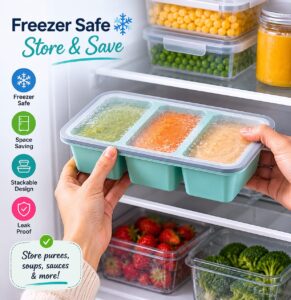
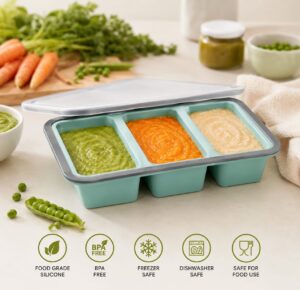
Using airtight, leak-proof, food-grade containers helps preserve freshness, prevents odors from spreading inside the refrigerator, and keeps your shelves organized.
Step 5: Label Everything
Always write:
- Preparation date
- Meal name
- Use-by date
Simple labels help you rotate food properly and reduce waste.
Meal Prep Storage Tips
Follow these simple storage practices:
- Cool cooked food before refrigerating.
- Keep wet and dry ingredients separate until serving.
- Store sauces individually.
- Freeze meals you won’t eat within 3–4 days.
- Avoid overfilling containers.
Foods Perfect for 1 Week Meal Prep
These foods store well:
Proteins
- Chicken breast
- Eggs
- Paneer
- Tofu
- Lentils
Vegetables
- Broccoli
- Carrots
- Bell peppers
- Beans
- Spinach
Grains
- Brown rice
- White rice
- Quinoa
- Pasta
Snacks
- Mixed nuts
- Yogurt
- Fruit
- Roasted chickpeas
Common Meal Prep Mistakes
Avoid these common mistakes:
- Preparing too much food
- Not planning meals first
- Using poor-quality storage containers
- Forgetting labels
- Storing hot food immediately in the fridge
- Ignoring food safety guidelines
Keep Your Refrigerator Organized
Organized storage makes meal prep even more effective.
Group foods by category:
- Breakfast
- Lunch
- Dinner
- Snacks
- Fruits
- Sauces
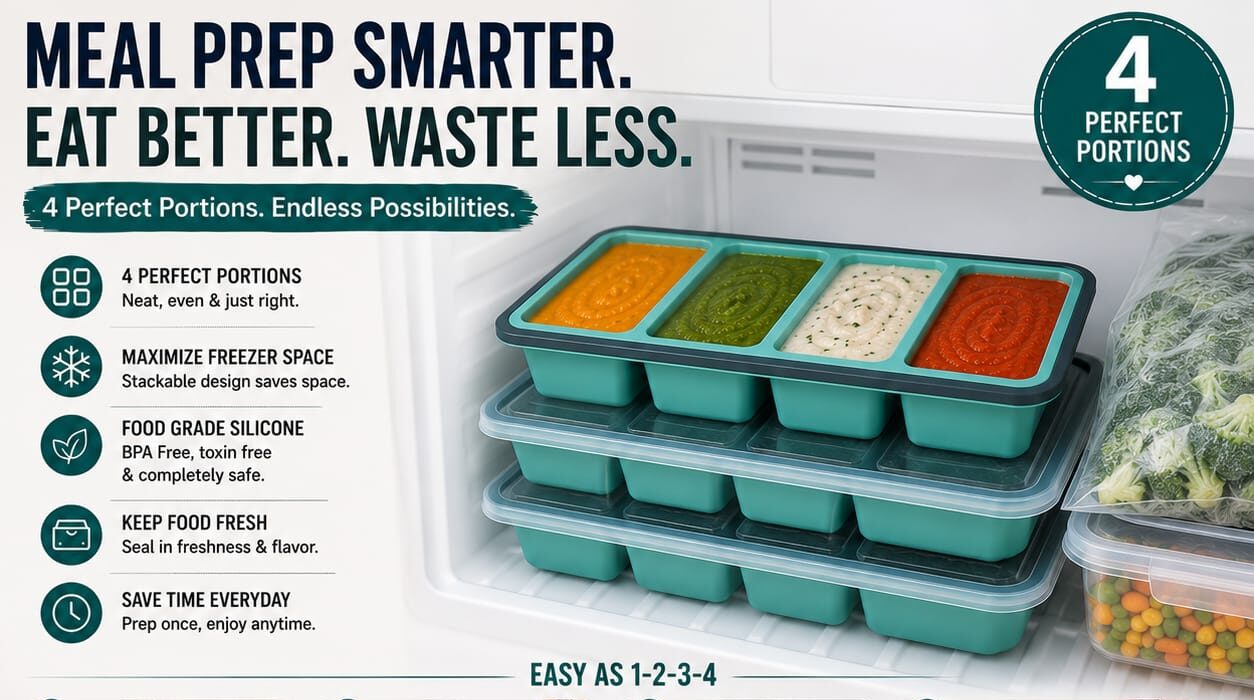
Stackable containers maximize refrigerator space and make it easier to find what you need.
Frequently Asked Questions
How long do meal-prepped meals stay fresh?
Most cooked meals remain fresh for 3–4 days when refrigerated properly in airtight containers.
Can I freeze meal-prepped food?
Yes. Many cooked meals can be frozen for several weeks. Thaw them safely in the refrigerator before reheating.
Which containers are best for meal prep?
Food-grade, BPA-free, leak-proof, and airtight containers are ideal because they help maintain freshness and make storage more convenient.
Final Thoughts
1 week meal prep is one of the simplest habits you can adopt to save time, reduce food waste, and enjoy healthier meals throughout the week. By planning ahead, preparing ingredients in batches, and storing food correctly, you can simplify your daily routine and make healthy eating more sustainable.
Investing in high-quality storage containers can also make meal prep more organized by keeping ingredients fresh, preventing leaks, and maximizing refrigerator space. Start with a simple plan this week, and you’ll quickly see how small changes can make a big difference.
Upgrade your kitchen today with SiliQ Enterprise Silicone Food Storage Containers and experience smarter food storage every single day.
You can take a look of such containers on
You can also visit SiliQ Smart Living Essentials